Restoring Comfort and Skin Health in Cracked Heels

Heel fissures are deep cracks that develop in dry, thickened skin along the back or bottom of the heel. They often form when the skin loses moisture and elasticity. Standing for long periods, wearing open-backed shoes, and having weight-related pressure on the heel can increase risk. In some cases, underlying conditions such as diabetes or thyroid imbalance may contribute to severe dryness. Management begins with gentle removal of thick, built-up skin using professional debridement. Daily application of urea-based or lactic-acid-based moisturizers helps soften and hydrate the area. Wearing closed-heel, supportive footwear reduces pressure and prevents further splitting. In painful cases, protective dressings may be used to promote skin repair. Consistent at-home care is important to prevent recurrence. Ignoring heel cracks can lead to bleeding or infection. If you have painful or deep heel fissures that are not improving, it is suggested that you see a podiatrist for a proper diagnosis and appropriate treatment.

Cracked heels are unsightly and can cause further damage to your shoes and feet. If you have any concerns, contact Dr. David Ungar from Personal Foot Care. Our doctor can provide the care you need to keep you pain-free and on your feet.

Cracked Heels

Cracked heels appear unappealing and can make it harder for you walk around in sandals. Aside from looking unpleasant, cracked heels can also tear stockings, socks, and wear out your shoes. There are several methods to help restore a cracked heel and prevent further damage.

How Do You Get Them?

Dry skin is the number one culprit in creating cracked heels. Many athletes, walkers, joggers, and even swimmers suffer from cracked heels. Age and skin oil production play a role to getting cracked heels as well.

Promote Healing

Over the counter medicines can help, especially for those that need instant relief or who suffer from chronic dry feet.

Wear Socks – Wearing socks with medicated creams helps lock in moisture.

Moisturizers – Applying both day and night will help alleviate dryness which causes cracking.

Pumice Stones – These exfoliate and remove dead skin, which allows for smoother moisturizer application and better absorption into the skin. 

Change in Diet

Eating healthy with a well-balanced diet will give the skin a fresh and radiant look. Your body responds to the kinds of food you ingest. Omega-3 fatty acids and zinc supplements can also revitalize skin tissue.

Most importantly, seek professional help if unsure how to proceed in treating cracked heels. A podiatrist will help you with any questions or information needed. 

If you have any questions, please feel free to contact our office located in Farmington, MI . We offer the newest diagnostic and treatment technologies for all your foot care needs.


Read more about Solutions for Cracked Heels

When a Toe Stays Bent

A hammertoe is a deformity in which one of the smaller toes bends downward at the middle joint, creating a curled or hammer-like appearance. This condition often develops gradually due to muscle imbalance, tight footwear, or structural foot changes like bunions. Over time, the toe may become stiff and difficult to straighten. Patients may notice redness, swelling, or corns forming on the top of the bent joint from rubbing against shoes. The toe can feel sore or irritated, especially when walking or wearing narrow shoe styles. In early stages, the deformity may still be flexible, but without treatment it can become rigid and more painful. A podiatrist begins with a detailed examination to determine whether the hammertoe is flexible or fixed and to identify contributing factors. Treatment may include shoe modifications, padding, custom orthotics, and targeted exercises to improve balance and alignment. In more advanced cases, surgical correction may be considered. If you have a hammertoe, it is suggested that you make an appointment with a podiatrist for proper evaluation and care.

Hammertoe

Hammertoes can be a painful condition to live with. For more information, contact Dr. David Ungar from Personal Foot Care. Our doctor will answer any of your foot- and ankle-related questions.

Hammertoe is a foot deformity that affects the joints of the second, third, fourth, or fifth toes of your feet. It is a painful foot condition in which these toes curl and arch up, which can often lead to pain when wearing footwear.

Symptoms

  • Pain in the affected toes
  • Development of corns or calluses due to friction
  • Inflammation
  • Redness
  • Contracture of the toes

Causes

Genetics – People who are genetically predisposed to hammertoe are often more susceptible

Arthritis – Because arthritis affects the joints in your toes, further deformities stemming from arthritis can occur

Trauma – Direct trauma to the toes could potentially lead to hammertoe

Ill-fitting shoes – Undue pressure on the front of the toes from ill-fitting shoes can potentially lead to the development of hammertoe

Treatment

Orthotics – Custom made inserts can be used to help relieve pressure placed on the toes and therefore relieve some of the pain associated with it

Medications – Oral medications such as anti-inflammatories or NSAIDs could be used to treat the pain and inflammation hammertoes causes. Injections of corticosteroids are also sometimes used

Surgery – In more severe cases where the hammertoes have become more rigid, foot surgery is a potential option

If you have any questions, please feel free to contact our office located in Farmington, MI . We offer the newest diagnostic and treatment technologies for all your foot care needs.
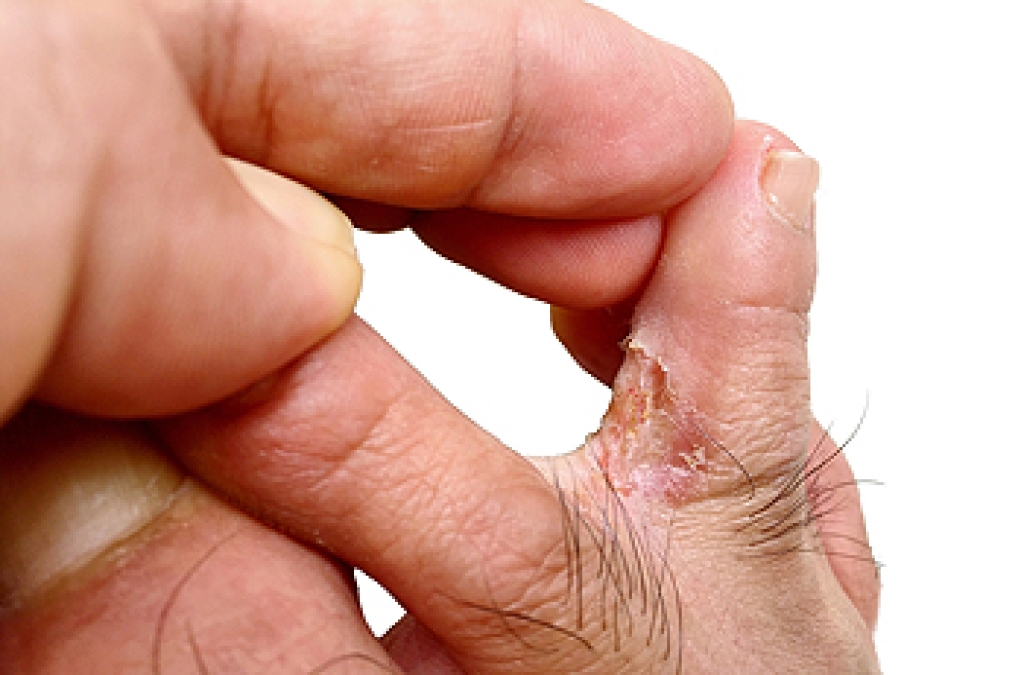
Read more about Hammertoe

Why Live with Pain and Numbness in Your Feet?

Suffering from this type of pain? You may have the foot condition known as Morton's neuroma. Morton's neuroma may develop as a result of ill-fitting footwear and existing foot deformities. We can help.

Understanding the Progression of Gout in the Feet

Gout is a form of inflammatory arthritis that often affects the joints of the feet and progresses through distinct stages. Asymptomatic hyperuricemia occurs when uric acid levels rise, but no pain or swelling is present. Acute gout is marked by sudden flare episodes with intense joint pain, redness, warmth, and swelling, commonly in the big toe. Intercritical or interval gout refers to the symptom-free periods between flares, even though uric acid crystals remain in the joint. Additionally, chronic tophaceous gout develops after years of repeated attacks and involves ongoing pain, joint stiffness, and firm crystal deposits that can damage bone and soft tissue. Early stages may seem manageable, but progression can lead to lasting joint problems. Identifying the stage helps guide appropriate care and long-term management. If foot joint pain or repeated flares occur, it is suggested that you see a podiatrist for appropriate care.

Gout is a foot condition that requires certain treatment and care. If you are seeking treatment, contact Dr. David Ungar from Personal Foot Care. Our doctor will treat your foot and ankle needs.

What Is Gout?

Gout is a type of arthritis caused by a buildup of uric acid in the bloodstream. It often develops in the foot, especially the big toe area, although it can manifest in other parts of the body as well. Gout can make walking and standing very painful and is especially common in diabetics and the obese.

People typically get gout because of a poor diet. Genetic predisposition is also a factor. The children of parents who have had gout frequently have a chance of developing it themselves.

Gout can easily be identified by redness and inflammation of the big toe and the surrounding areas of the foot. Other symptoms include extreme fatigue, joint pain, and running high fevers. Sometimes corticosteroid drugs can be prescribed to treat gout, but the best way to combat this disease is to get more exercise and eat a better diet.

If you have any questions, please feel free to contact our office located in Farmington, MI . We offer the newest diagnostic and treatment technologies for all your foot care needs.
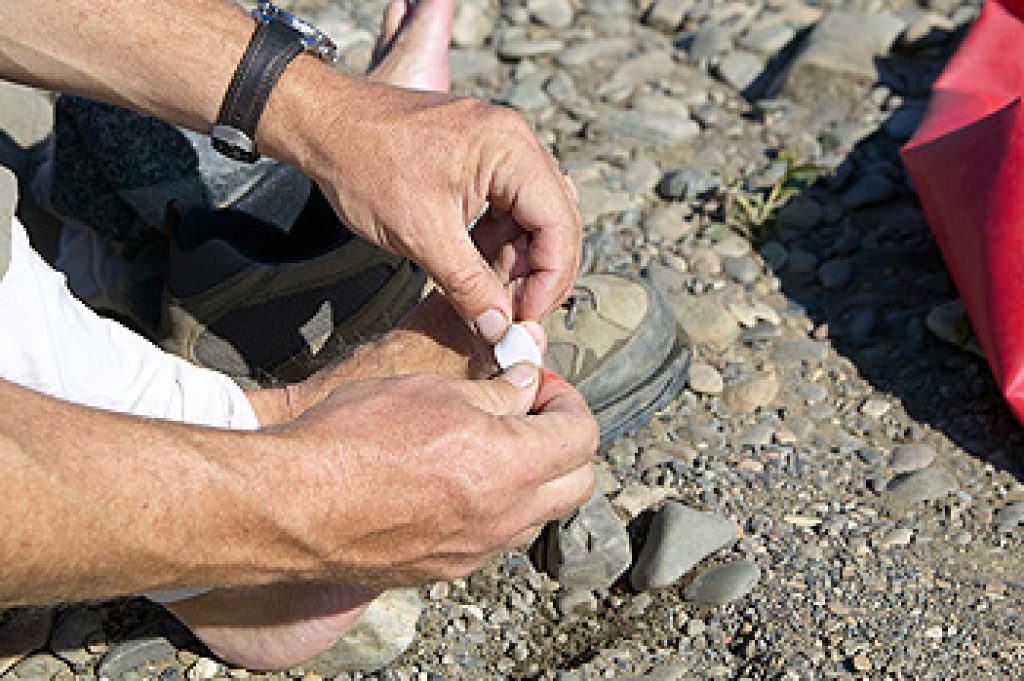
Read more about Everything You Need to Know About Gout

Toe Conditions May Signal Deeper Health Problems

Many people overlook their toes, yet changes in appearance or sensation can reflect health problems. Curved or spooned nails may point toward anemia or thyroid disorders. Meanwhile, burning, tingling, or numbness in the toes can signal nerve damage often associated with diabetes. Dark streaks under a toenail require evaluation to rule out skin cancer. Pale or white nails may be linked to kidney or liver disease, and swollen, painful joints can indicate arthritis or gout. Thickened or yellow nails suggest fungal infection or trauma, and cold or bluish toes may indicate circulation problems. Because the feet contain small blood vessels and nerves, medical conditions may appear there early. A podiatrist evaluates skin, nails, joints, and circulation, orders testing, and recommends medical or surgical care to treat the cause and prevent complications. If your toes change in appearance, it is suggested that you make an appointment with a podiatrist for an exam, diagnosis, and treatment.

Toe pain can disrupt your daily activities. If you have any concerns, contact Dr. David Ungar of Personal Foot Care. Our doctor can provide the care you need to keep you pain-free and on your feet.

What Causes Toe Pain?

Most severe toe pain is caused due to a sports injury, trauma from dropping something heavy on the toe, or bumping into something rigid. Other problems can develop over time for various reasons.

Toe pain can be caused by one or more ailments. The most common include:

  • Trauma
  • Sports injury
  • Wearing shoes that are too tight
  • Arthritis
  • Gout
  • Corns and calluses
  • Hammertoe
  • Bunions
  • Blisters
  • Ingrown toenails
  • Sprains
  • Fractures (broken bones)
  • Dislocations

When to See a Podiatrist

  • Severe pain
  • Persistent pain that lasts more than a week
  • Signs of infection
  • Continued swelling
  • Pain that prevents walking

Diagnosis

In many cases the cause of toe pain is obvious, but in others, a podiatrist may want to use more advanced methods to determine the problem. These can range from simple visual inspections and sensation tests to X-rays and MRI scans. Prior medical history, family medical history, and any recent physical traumatic events will all be taken into consideration for a proper diagnosis.

Treatment

Treatments for toe pain and injuries vary and may include shoe inserts, padding, taping, medicines, injections, and in some cases, surgery. If you believe that you have broken a toe, please see a podiatrist as soon as possible.

If you have any questions please contact our office located in Farmington, MI . We offer the newest diagnostic and treatment technologies for all your foot and ankle needs.

Read more about Toe Pain

Connect With Us

DAVID UNGAR